

Preparing and Managing Allergies at University
Heading to university is an exciting time, but if you have serious allergies, it can also bring new challenges. Managing your allergies on your own for the first time might seem daunting, especially if you’ve previously relied on family support. This guide provides practical advice to help you prepare and ensure your allergies don’t hold you back.

Choosing a University
When selecting a university, consider the following to ensure a safe environment.
Discuss Your Allergies
During open days, speak with university staff about your allergies. Ask about the procedures and policies in place to support students with allergies.
Accommodation Options
Explore both catered and self-catered housing options. Self-catered accommodation may offer more control over your diet, but choose what feels best for you.
Preparing for University
Once you’ve secured your place, it’s time to prepare:
- Learn to Cook: If you’ve chosen self-catered accommodation, practise cooking safe meals. Have a few reliable recipes ready.
- Request a Mini Fridge: Ask your university if they can provide a mini fridge for your room to avoid cross-contamination.
- Medical Alert Jewellery: Consider wearing a medical alert bracelet or necklace engraved with essential information about your allergies.
- Check Food Labels: Always check food labels for allergens, even on familiar products, as ingredients can change.
- Manage Medication: Take responsibility for booking doctor’s appointments and keeping your adrenaline prescriptions up to date.
- Allergy Action Plan: Prepare an adult allergy action plan and keep it handy.
- Monitor Expiry Dates: Regularly check the expiry dates of your adrenaline device and consider signing up for an expiry alert service via the manufacturer’s website.
Starting University
When you arrive at university, follow these tips to stay safe and confident:
Educate Your Housemates
Inform your housemates and friends about your allergies, what to do in an emergency, and how to use your adrenaline. You can order trainer devices to demonstrate.
Stay Connected
If your adrenaline device has a mobile app, download it and ask your friends to do the same. This ensures everyone has access to important information.
Speak to University Staff
Discuss your allergies with accommodation services, your personal tutor, and catering staff (if applicable).
Be Prepared
Label your allergen-free food and utensils to prevent cross-contamination. Display an emergency action poster in your shared kitchen and always carry your adrenaline.
Managing Your Allergies at University
University life presents new challenges for managing allergies:

Alcohol and Drugs
Be cautious, as alcohol and non-steroidal anti-inflammatory drugs (like ibuprofen) can exacerbate allergic reactions. Recreational drugs and alcohol can impair your judgement, making it harder to recognise and respond to symptoms.
Kissing and Allergies
Allergens can linger in saliva for up to 24 hours. Always check with your partner if they’ve consumed foods you’re allergic to.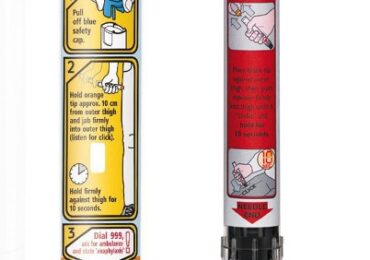
Medication Storage
Store your adrenaline properly. Avoid exposure to light, extreme temperatures, and freezing conditions.
Health Precautions
Illness can increase your risk of a severe allergic reaction.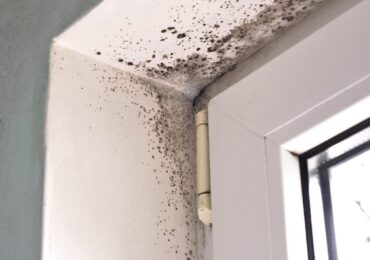
Dust Mites and Mould
If you’re allergic to dust mites or mould, use allergy-proof bedding and keep your living space clean and well-ventilated. Address any mould issues in your accommodation immediately.
Travel and Placements Abroad
If you’re planning to study or work abroad, additional precautions may be necessary. Ensure you have all the information and resources you need to manage your allergies while travelling.
Eating Out at University
-
 Check Menus in Advance: Review the restaurant’s menu beforehand and be aware of cuisines that commonly use your allergens.
 -
Communicate Clearly: Always inform restaurant staff about your allergies and ask to see allergen information. Discuss how your meal will be prepared to prevent cross-contamination.
More about Allergies
The 14 Major Allergens
In the UK, food allergen labelling regulations recognise 14 foods as the most common causes of food allergies and intolerances.
Other allergens
Other foods outside of the top 14 allergens that can cause allergic reactions.
Non-food allergens
Non-food causes of allergic reactions include animals, chlorhexidine, drugs, exercise, hair dyes, idiopathic anaphylaxis, insect stings, latex and mould.
What is Anaphylaxis?
What is an allergic reaction and what are the signs and symptoms? What should you do in an emergency?