
NICE Quality Standards
The NICE guidelines on food allergies and anaphylaxis provide detailed recommendations for the diagnosis, management, and long-term care of individuals, particularly children and young people, at risk of allergies and anaphylaxis. They cover key areas such as taking an allergy-focused clinical history, appropriate diagnostic testing, patient education, and the use of adrenaline auto-injectors. Additionally, the guidelines emphasise the importance of specialist referrals for complex cases and the need for ongoing monitoring to ensure effective management and patient safety.
NICE Quality Standard for Food Allergy
The NICE quality standard for food allergy (QS118) outlines essential practices for the diagnosis and management of food allergies, particularly in children and young people.
NICE Quality Standard for Anaphylaxis
The NICE quality standard for anaphylaxis (QS119) provides essential guidance to improve the care and management of individuals at risk of or experiencing anaphylaxis.
NICE Guideline on Anaphylaxis
NICE guideline NG258 focuses on how individuals with suspected anaphylaxis should be assessed and when they should be referred for specialist allergy care.
NICE Guideline on Managing Drug Allergy
The NICE guideline CG183 provides essential guidance for the diagnosis, documentation, and management of drug allergies in adults, children, and young people.
NICE Guideline on Food Allergy in Children and Young People
The NICE guideline CG116 addresses the growing concern of food allergies in children and young people. It emphasises the need for early identification through a detailed allergy-focused clinical history and the use of appropriate diagnostic tests. The guideline aims to improve the management of food allergies by providing clear recommendations on diagnosis, treatment, and ongoing care. It also highlights the importance of effective communication with families and carers to ensure they are fully supported throughout the process.

AllergyWise for Healthcare Professionals
AllergyWise® for Healthcare Professionals is an online e-learning course and the easiest way to learn about anaphylaxis, the risks of serious allergies and how to manage them. The course can be worked through conveniently from your home or workplace, wherever and whenever it suits you. The course is simple to follow with interactive diagrams and graphics which makes learning about anaphylaxis easier than ever, no matter which sector within healthcare, denistry and aesthetics you work in.
Latest news and Research Updates
Sign up to our free newsletter for healthcare professionals
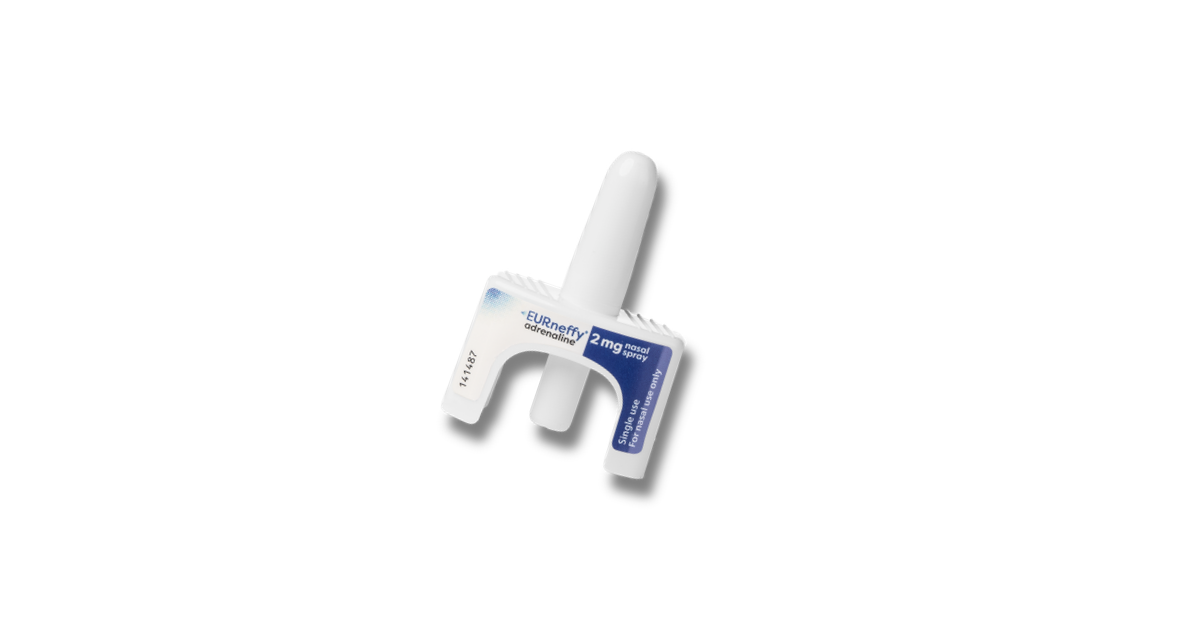
The Medicines and Healthcare products Regulatory Agency (MHRA) has launched a UK-wide consultation on proposals that would allow schools to purchase and hold spare adrenaline nasal sprays for emergency use in children…
Read more
The UK’s first needle-free adrenaline nasal spray, EURneffy® 1mg, is now available on prescription for younger children at risk of serious allergic reactions. The newly available 1 mg dose is licensed for…
Read more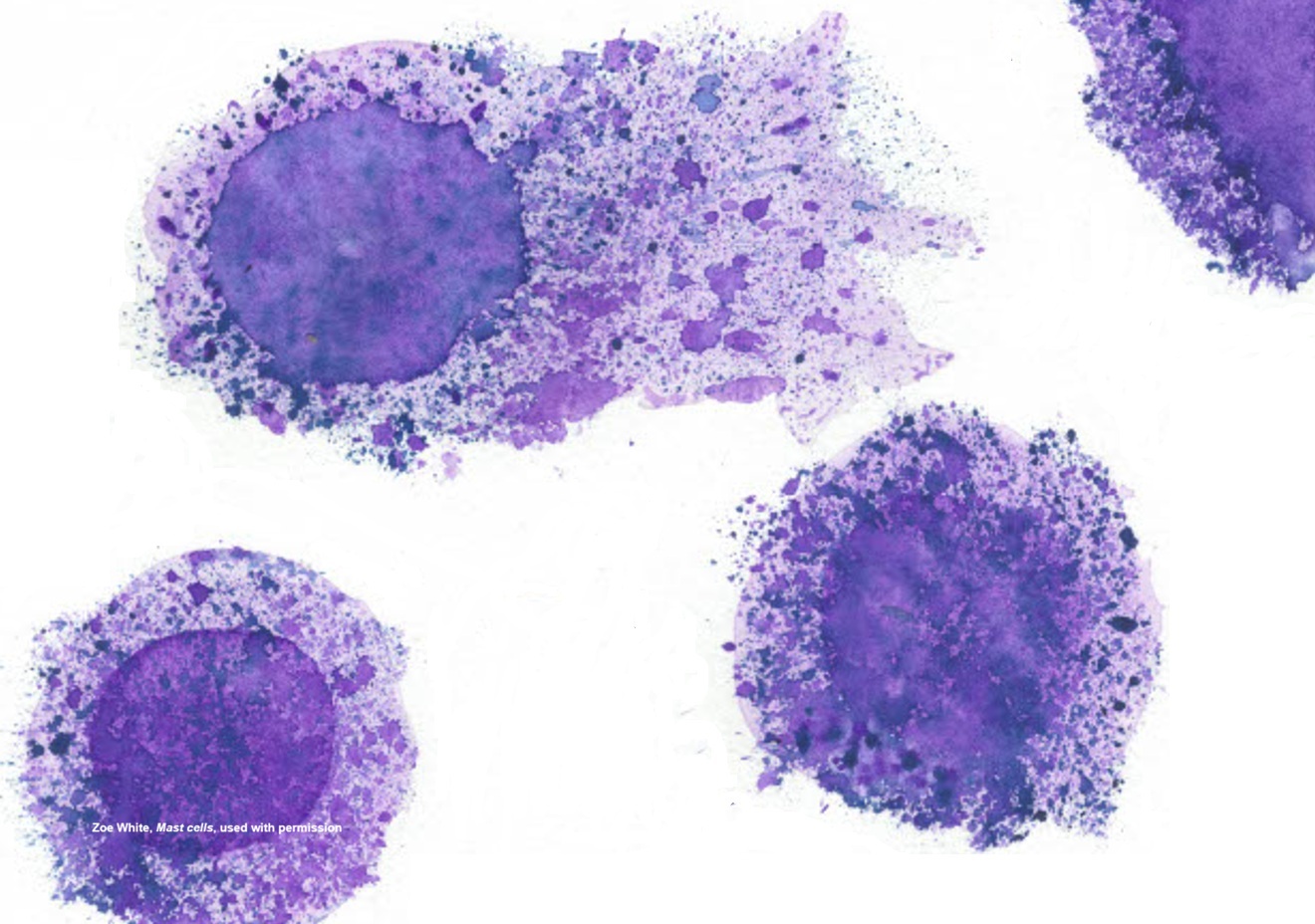
Photo credit: Mast cells – Zoe Whyte, Mast cells, used with permission Mast cell diseases can go unnoticed by almost everyone, yet be unmistakable to the person living with one. Today, on…
Read more