
Leaving home without your adrenaline is non-negotiable. Despite the known risks, hidden barriers such as perceived social stigma mean that packing an adrenaline device often slips down the priority list for young…
Read more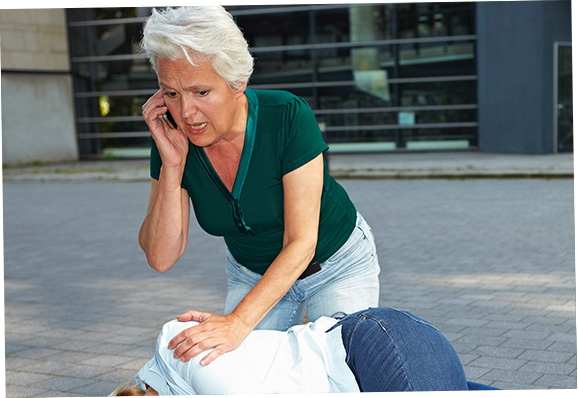
What should you do if someone has anaphylaxis? We are often asked this on our helpline by people with allergies, as well as parents, friends, family members and members of the public….
Read more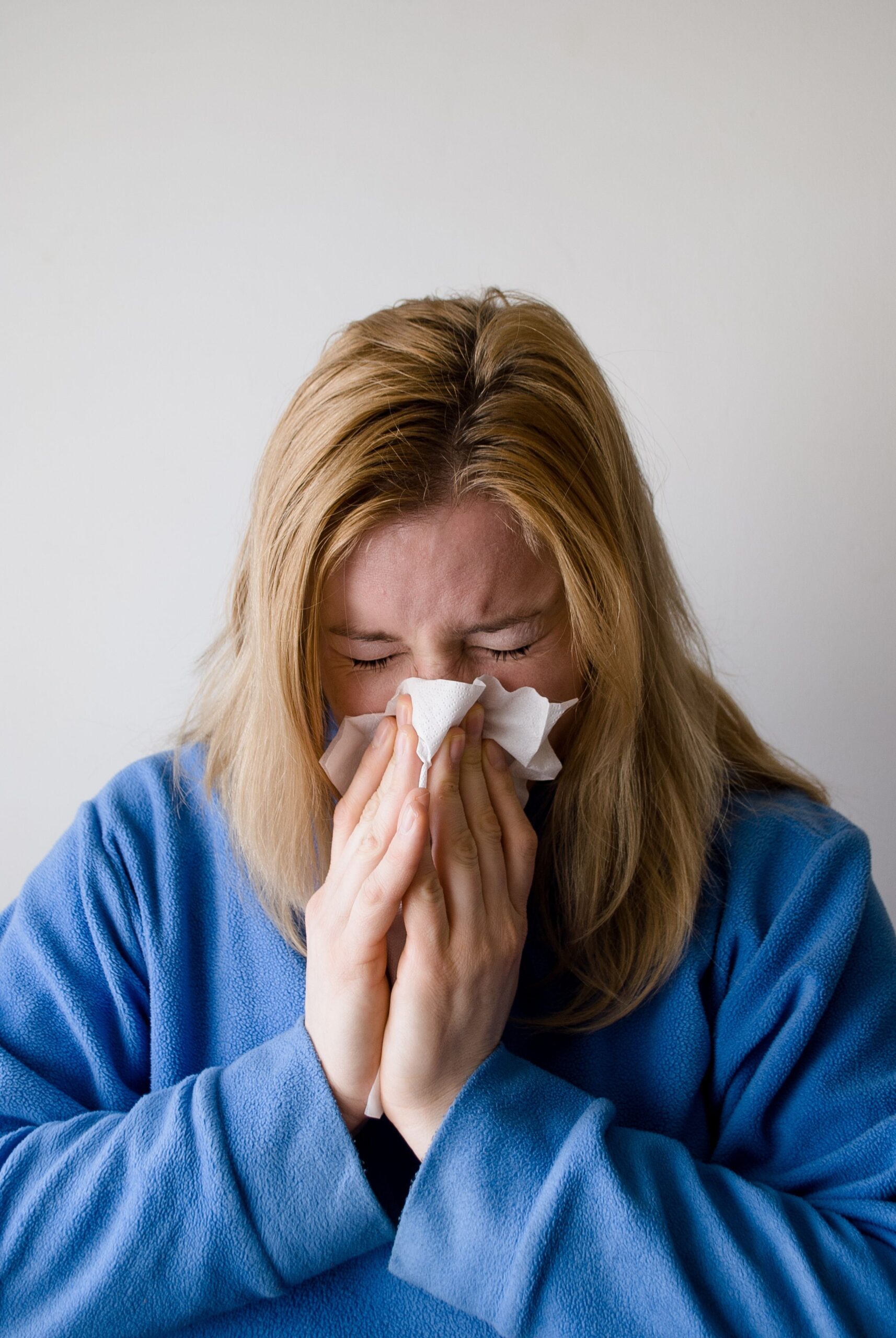
An immunotherapy treatment for house dust mite allergy has been made available through the NHS in Scotland. The Scottish Medicines Consortium (SMC) has accepted Acarizax (12 SQ-HDM sublingual immunotherapy) for adults aged 18–65 with moderate…
Read more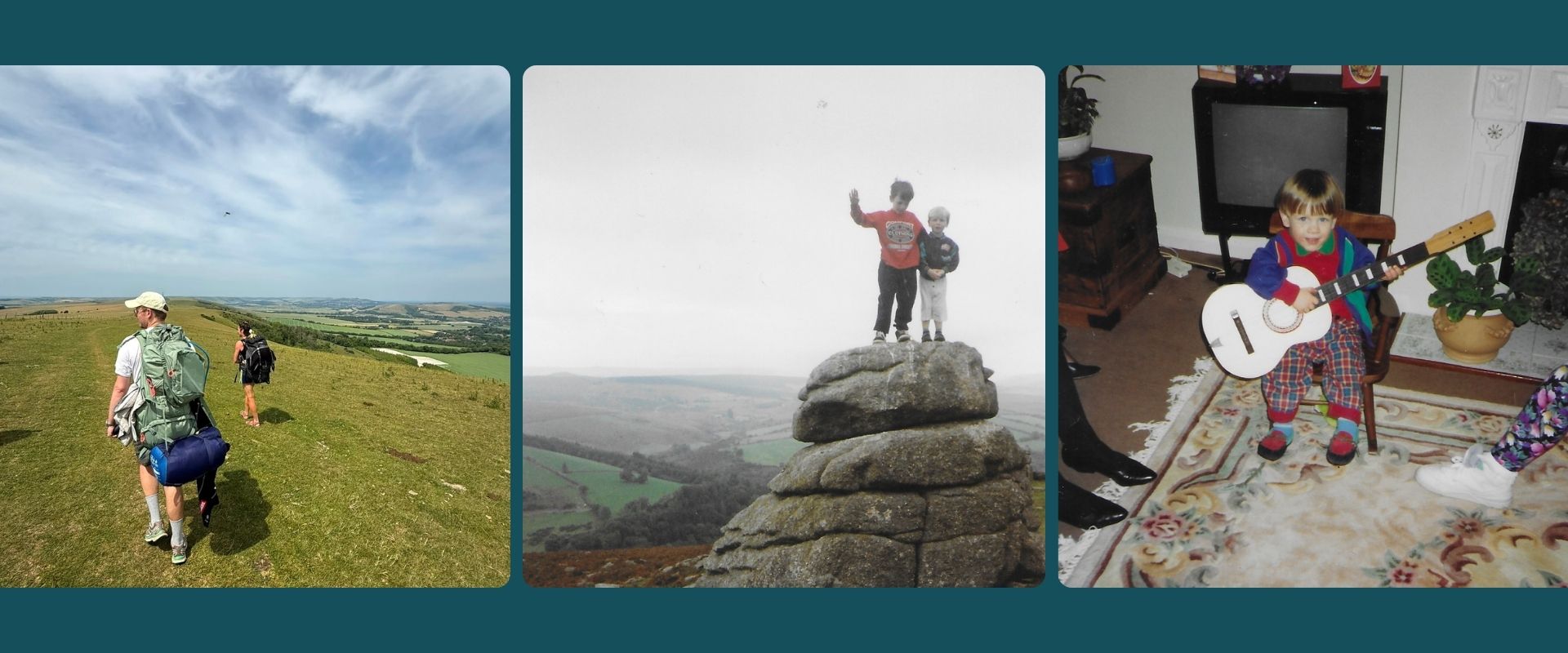
When Josh begins his ascent of Mount Kilimanjaro later this year in aid of Anaphylaxis UK, every step he takes up Africa’s highest peak will be in memory of his brother Greg,…
Read more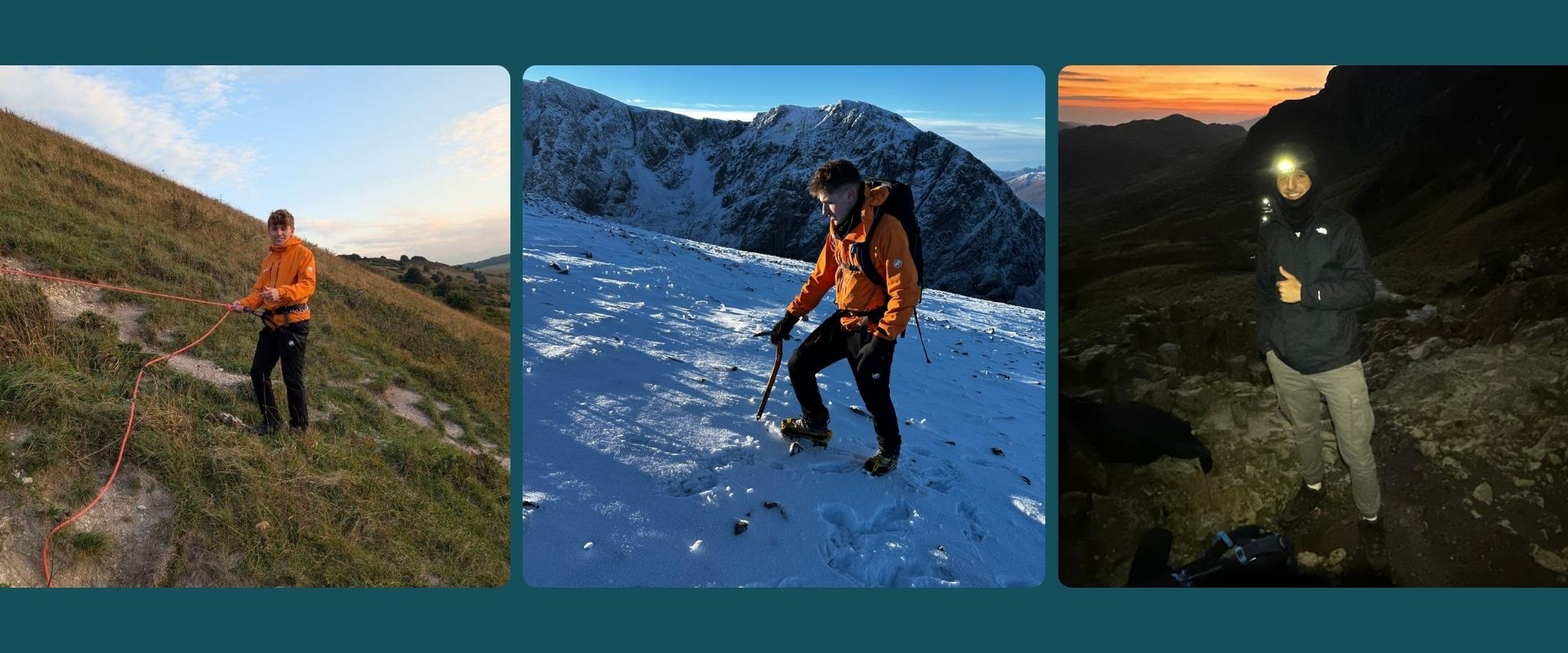
19-year-old Andrew is preparing to take on one of China’s most remote peaks in an extraordinary expedition that could make him the first recorded British climber to reach its summit, all while…
Read more
Food and non-food allergies are often associated with childhood, but millions of adults across the UK live with allergies too. Around 6% of the UK adult population has a clinically confirmed food…
Read more
The Medicines and Healthcare products Regulatory Agency (MHRA) has approved a lower-dose version of the adrenaline nasal spray, EURneffy®, for the emergency treatment of serious allergic reactions (anaphylaxis) in children aged four…
Read more
The announcement that Natasha’s Foundation has launched Natasha’s Prize – a groundbreaking £10 million fund dedicated to research into preventing allergies – has been hugely encouraging for the allergy community. As a charity supporting…
Read more
The National Institute for Health and Care Excellence (NICE) has published updated guidance on the assessment and referral of people following emergency treatment for anaphylaxis. This new guideline replaces NICE guideline CG134…
Read more